Before You Spin, Check the Tide: What Old Almanacs Can Teach the Algorithm-Era Gambler

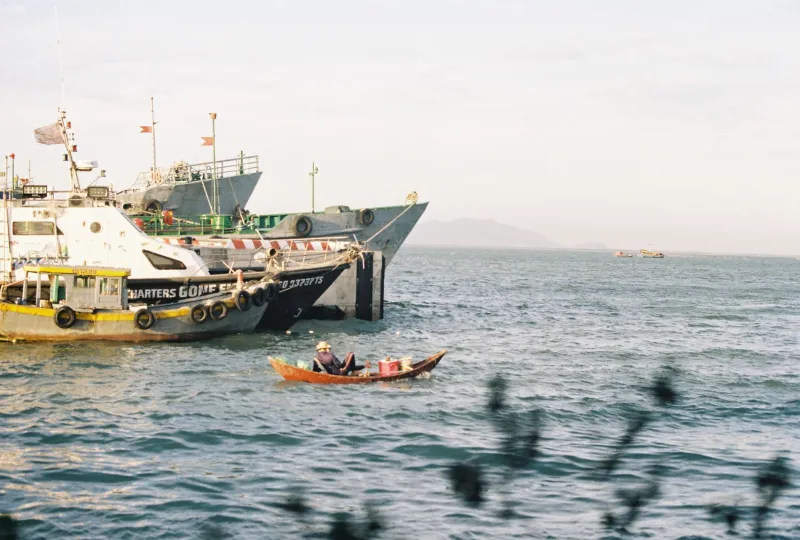
There's a battered copy of a tide table pinned to the wall of nearly every bait shop from the Chesapeake to the Oregon coast. No screens, no push notifications — just a printed chart telling you when the water will rise, when it will fall, and when the sandbars might strand your boat. Fishermen, crabbers, and weekend sailors have trusted those charts for generations, not because the ocean obeys a schedule, but because rhythm is predictable even when individual waves aren't.
That's exactly the mindset American players are missing when they open a casino app at midnight and start chasing losses at 200 spins a minute.
The Almanac vs. the Algorithm
Old tide almanacs were built on observation stacked over decades. People watched the moon, logged the highs and lows, and eventually could forecast the water days in advance. They couldn't control the tide — nobody can — but they could plan around it. You didn't fish the flats at dead low water and expect a haul. You waited for the turn.
Modern casino games run on RNGs: certified, random, and utterly indifferent to your streak. In that sense, the algorithm is the tide. You can't push it, predict its next move, or bend it to your mood. But here's where the analogy earns its keep: while you can't forecast the RNG, you absolutely can forecast yourself — your energy, your bankroll, your tilt risk — and plan around those cycles the way a crabber plans around the moon.
The frantic player treats the casino like a slot machine treats a lever: pull hard, pull often, hope. The tide chart gambler does something older and quieter. They read conditions before committing.
Rhythm Beats Rush
Watch a seasoned skipper dock a boat in a crosswind. Nothing is rushed. Every correction is small, early, and deliberate. Compare that to the player who doubles their bet after three losses because the game "owes" them one.
There's a hard truth buried in the math: no betting pattern changes the house edge, and no session length improves the odds. What rhythm-based thinking changes is you — how many decisions you make in a bad state of mind, how much of your bankroll gets exposed while you're tilted, and how quickly a fun night becomes an expensive one.
The tide chart gambler accepts that some hours are slack water. Nothing's biting. The smart move isn't to fish harder; it's to log off and come back when conditions shift.
Build Your Own Tide Chart
You don't need a moon phase app to do this. You need a notebook, a spreadsheet, or the notes app on your phone. Here's the practical version:
1. Chart your high waters. Track the days and times you play your best — genuinely your best: focused, patient, playing within limits. Most people find a pattern. Maybe it's Saturday morning with coffee, not 1 a.m. after a rough workday. Those windows are your high tide. Play then.
2. Mark your slack water. Note the sessions where you chased, improvised, or spent money you meant to save. Those are your low tides. The rule is simple: low tide means no casting. Not a smaller bet — no session at all.
3. Set your waterline before you launch. Decide your session bankroll before the first spin, the way a boater checks fuel before leaving the dock. When the waterline is crossed — win or lose — the boat comes in. Write the number down where future-you can't argue with it.
4. Log the moon, not the machine. After each session, record one line: how you felt, what you bet, how it ended. Over a month you'll have something no algorithm can sell you — a personal almanac of your own habits, which is the only "pattern" in gambling that's actually real.
The Long View Is the Edge You Keep
None of this promises bigger jackpots. The RNG doesn't care about your notebook. But bankroll survival is its own kind of winning: the player who spreads a budget across well-timed sessions gets far more entertainment per dollar than the one who burns it all in a Tuesday-night frenzy.
There's a reason coastal communities never tried to command the ocean. They respected it, read it, and worked with its rhythm — and they're still here. Bring that same humility to the tables at Bandarra Dewi Casino and everywhere else you play. Check your tide before you cast. The water will still be there tomorrow, and so will the game.
The best gamblers aren't the ones who fight the current. They're the ones who know when it's turning.