Underdogs at the Table: Why Indie Casino Game Studios Are Leaving the Giants in the Dust
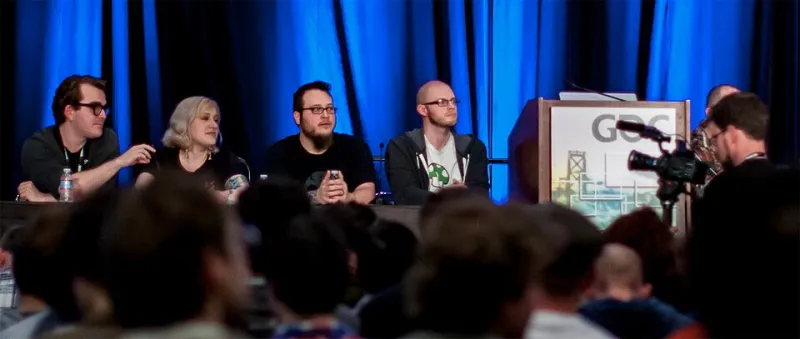
Photo: Fuad Kamal from USA Cropped by czar, CC BY-SA 2.0, via Wikimedia Commons
There's a pattern that shows up in almost every entertainment industry eventually. The big studios get comfortable. The marketing budgets balloon. The product starts feeling less like a creative endeavor and more like a quarterly earnings target. And right around that moment, a scrappy group of developers working out of a rented office somewhere decides to do things differently — and the audience notices.
That's exactly what's happening right now in online casino gaming.
While household names like NetEnt, Playtech, and IGT continue to dominate the shelf space on major platforms, a wave of boutique and independent game studios is quietly building some of the most exciting, most talked-about casino experiences available to American players today. The shift isn't dramatic or sudden. It's been building for years. But if you've found yourself gravitating toward a slot you'd never heard of six months ago, or a live dealer variant that felt surprisingly fresh, there's a decent chance a small team was behind it.
What the Big Studios Got Wrong (and Kept Getting Wrong)
To understand why indie developers are gaining ground, you have to understand where the established players started slipping.
The major studios built their empires on volume and licensing. Crank out hundreds of titles per year, lock down distribution deals with top-tier platforms, and lean on name recognition to move players from one branded game to the next. It worked — for a while. But volume-first development has a ceiling. When you're shipping that many titles, individual games stop feeling like creative projects and start feeling like templates with swapped-out symbols.
Players aren't dumb. American gamblers especially — who've grown up with some of the most sophisticated entertainment industries in the world — can feel the difference between a game built with genuine design intention and one that was assembled on a production line. The engagement numbers started telling that story clearly. Session times on legacy titles plateaued. Retention dipped. Players kept showing up, but the excitement wasn't the same.
Speed Is the New Superpower
Here's where the indie studios have a structural advantage that money can't easily buy: they move fast.
A mid-sized studio with forty developers can greenlight a concept, prototype it, run player feedback sessions, and ship a polished build in a fraction of the time it takes a large organization to get a new mechanic through four layers of approval. That speed compounds over time. While a major studio is finalizing the UI on a title they conceived eighteen months ago, a boutique shop has already released that game, gathered real-world data on how players interact with it, and shipped two updates based on what they learned.
This feedback loop is genuinely revolutionary in casino game design. The best indie studios treat their player communities like co-developers. They watch the forums, run Discord channels, run beta programs, and iterate publicly. The result is games that feel tuned to how people actually play — not how a focus group predicted they would play.
Cultural Authenticity as a Competitive Edge
One of the most interesting trends coming out of the indie development space is the move toward deeper, more specific cultural storytelling in game themes.
For years, the default casino slot aesthetic defaulted to a pretty narrow set of references: ancient Egypt, generic Asian luck symbols, generic Viking imagery, fruit machines. Safe, recognizable, and increasingly stale. Indie developers — many of whom come from diverse cultural backgrounds themselves — have started building games rooted in specific mythologies, regional folklore, and authentic visual traditions that feel nothing like the generic version.
This matters more than it might seem. Players connect differently with a game that feels like it was built by someone who actually cares about the story it's telling versus one that just borrowed an aesthetic for marketing purposes. The emotional engagement is different. The session quality is different. And in a competitive market, emotional engagement is everything.
At Bandarra Dewi Casino, this is part of why the platform has always leaned into the richness of Southeast Asian legend and culture rather than defaulting to the obvious. That kind of specificity and authenticity is exactly what the best indie studios are now bringing to the broader market.
The Platform Relationship Is Changing Too
Traditionally, independent developers had to fight hard just to get distribution. The major platforms had exclusive or semi-exclusive relationships with the big studios, and smaller shops had to either build direct audiences or find niche platforms willing to take a chance on them.
That dynamic is shifting. As players have started actively seeking out games from smaller developers, platforms have had to respond. Aggregator networks have expanded. API integrations have gotten cleaner. And crucially, some of the larger platforms have started actively scouting indie studios the same way a major record label scouts independent artists — because they've realized that's where the freshest material is coming from.
For American players, this means the catalog available on mainstream platforms is quietly getting more interesting. You're not just choosing between legacy titles anymore. The underdogs are on the shelves.
What the Next Five Years Looks Like
If the current trajectory holds, the competitive landscape in online casino gaming is going to look meaningfully different by the end of the decade.
The major studios aren't going away. They have capital, distribution infrastructure, and brand recognition that doesn't evaporate overnight. But their dominance over the creative conversation in the industry is already slipping. The games that players talk about, share clips of, and return to obsessively are increasingly coming from smaller shops.
Expect to see more acquisition activity as the big players try to buy what they can't build fast enough. Expect more boutique studios to resist those acquisitions and build direct-to-player distribution channels instead. And expect American gamblers — who are already among the most discerning online casino audiences in the world — to keep voting with their session time for the experiences that actually surprise them.
Why This Is Good News for Players
At the end of the day, competition drives quality. When smaller studios are genuinely threatening the market position of established giants, everyone has to work harder to earn player loyalty. The incumbents have to innovate or get left behind. The challengers have to keep delivering or lose the momentum they've built.
For the player sitting at home deciding how to spend an evening, this is a pretty good situation to be in. The catalog is deeper, the design is more thoughtful, and the studios behind your favorite games are more responsive to what you actually want than they've ever been.
The underdogs aren't just at the table anymore. In a lot of ways, they're running it.