The $500 Rooftop Roll: How America's Casino Weekends Moved to the Backyard
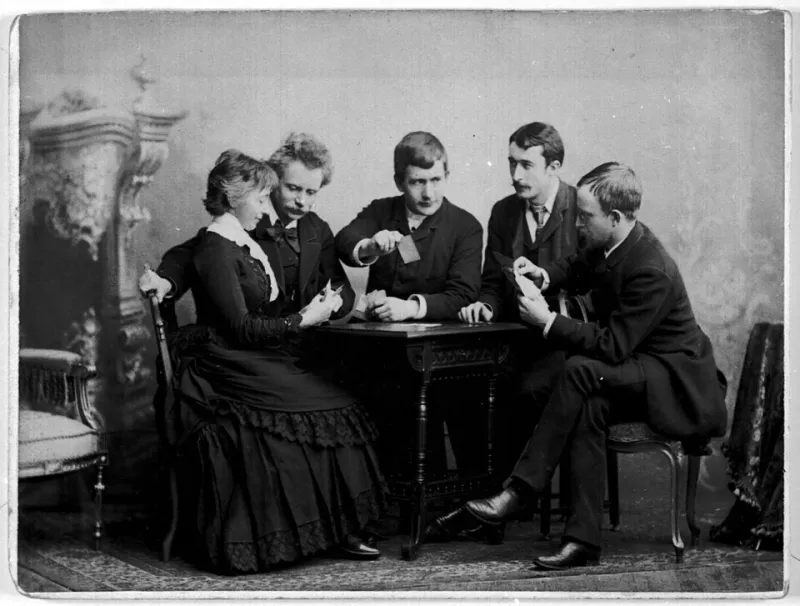
Photo: Bergen Public Library Norway from Bergen, Norway, No restrictions, via Wikimedia Commons
There's a moment that happens on a rooftop in Wicker Park every other Friday. Six friends, a folding table, a speaker playing island playlists, and a phone propped against a cooler running a live dealer stream. Somebody yells "last call for the bluff bet," and the night begins.
No flights. No resort fees. No $18 vodka sodas. This is the new American casino weekend — and it's happening in backyards, on patios, and up fire escapes from Austin to Portland.
The Weekend Trip Math Doesn't Lie
Let's run the numbers on a classic Vegas weekend for one person flying in from the Midwest:
- Round-trip flight: $180–$320
- Two hotel nights on the Strip: $200–$450
- Food and drinks: $150–$250
- Gambling bankroll: $200–$500
- Rideshares and tips: $50–$100
Call it $800 to $1,600 for roughly 48 hours, half of which is spent in airport security lines.
Now the at-home version, run as a "season" of eight casino nights across a spring and summer:
- Shared mobile casino app deposits: $25–$50 per night
- Snacks and themed drinks (one host per night): $30
- Decorations and playlist subscriptions, amortized: $10
That's roughly $70–$90 per night, or $560–$720 for an entire season — often less than a single Vegas weekend, and every night ends in your own bed.
The players making the switch aren't anti-casino. They're anti-hassle. The games were always the point. The TSA line never was.
The Friend League Is the New High-Roller Room
What makes these nights work isn't the software — it's the structure. The smartest home crews have borrowed a page from fantasy football: the season-long league.
Take Marcus, a 34-year-old nurse in Chicago who runs a six-person blackjack league on his apartment rooftop. Everyone deposits the same $40 into a shared tracking sheet each month. Wins and losses are logged across the season, and whoever finishes on top in September gets the pot — plus the deeply coveted trophy, a resin flamingo named Lucky.
"The individual nights stopped mattering," he says. "Once it became a season, nobody tilts. You bust tonight, you're back in two weeks. It's a marathon with snacks."
That long-view mindset tracks with something we've covered before at Bandarra Dewi: the players who last are the ones who treat gambling as a ritual with friends, not a solo sprint against a screen. A league builds in the pause. It builds in the accountability. It builds in the flamingo trophy.
Why the House-Party Vibe Wins
The casino industry spent decades selling spectacle — fountains, residencies, marble everything. But a lot of players, it turns out, just wanted the table and the people around it.
The at-home crew recreates the good parts:
- The dealer banter, replaced by group chat trash talk on a shared thread
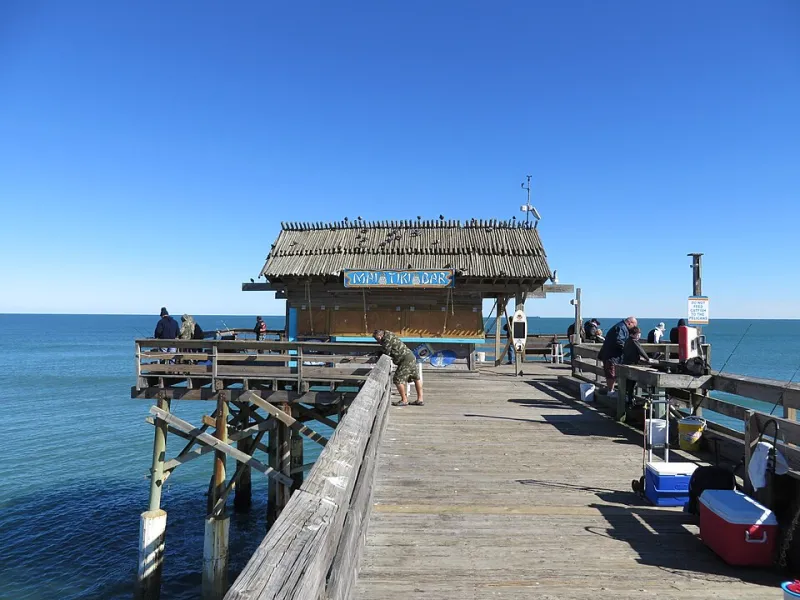
- The themed atmosphere, replaced by one friend's questionable commitment to a tiki night (paper umbrellas included)
- The shared win, replaced by the whole patio erupting when someone hits a bonus round on the projector
And the platforms have noticed. The games getting invited back to these nights share a few traits: live dealer options that feel social rather than sterile, quick table entry so nobody's fiddling with setup while the ice melts, and interfaces that read well on a phone passed around a circle. The winners in this trend are the platforms that feel like a beachside hangout, not a bank lobby — a test we've argued is the real benchmark for any online casino worth its salt.
The Austin Version: Poker, Brisket, and a Spreadsheet
Down in Texas, the trend has a southern accent. Dana, a 41-year-old project manager, hosts a monthly "patio poker night" where the online tables run on a TV and the side action is entirely culinary — everyone brings a dish themed to the night's game.
"We did a 'Far East night' with dumplings and baccarat, a Mardi Gras night, a pirate night," she says. "The game is the excuse. The night is the point."
Her crew keeps a shared spreadsheet of buy-ins and results, capping everyone's monthly spend at $50. It's a house rule that would make any responsible-gambling advocate smile — and it's common across these groups. Because the social circle is watching, bankroll discipline tends to hold in a way it rarely does at 2 a.m. alone on a casino floor.
What Vegas Should Worry About — and What It Shouldn't
The weekend trip isn't dying. Bachelor parties, milestone birthdays, and the sheer pull of the Strip will keep flights full. But the regular casino fix — the every-few-weeks itch — is migrating home, and it's not coming back.
For players, the takeaway is simple: the best casino experience you'll have this year might not require a boarding pass. Grab a table, gather your crew, set a season budget everyone agrees to, and let the games do what they were always meant to do — give people a reason to sit together and see what luck has in store.
The tide's shifting. Turns out it was pointing toward the backyard all along.